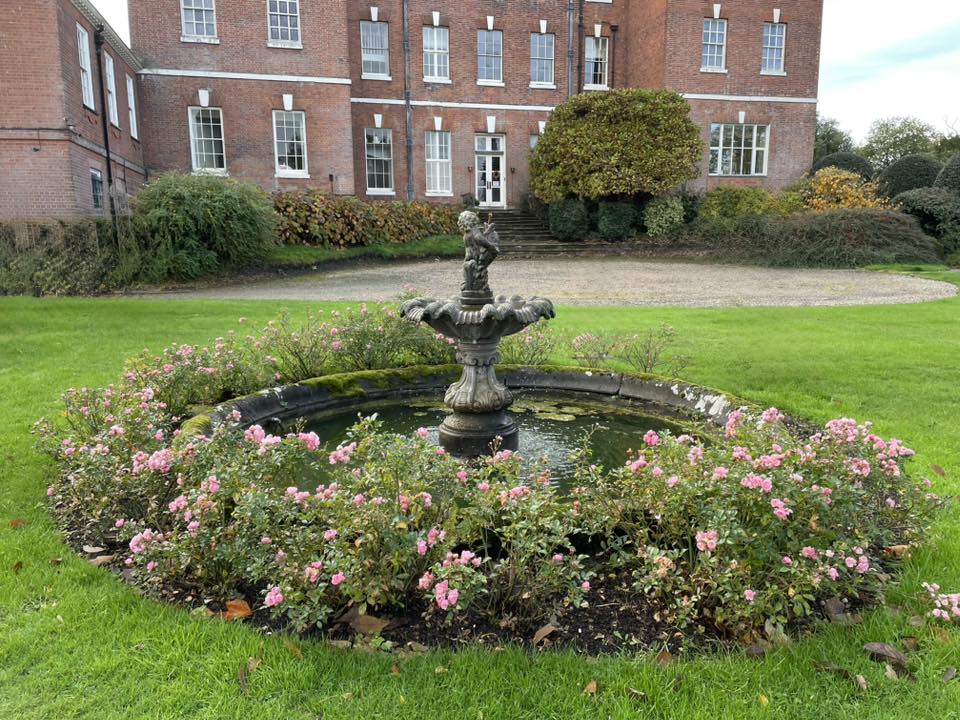
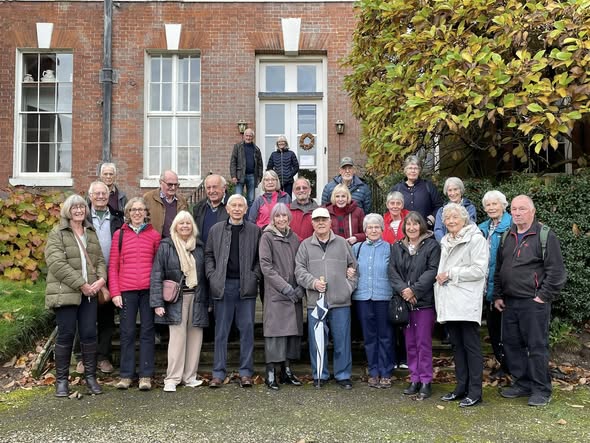
On 29th October 2025, the History Group visited Catton Hall, home of the Neilson family. Twenty-four members of the Soar valley u3a were warmly welcomed by Katie Neilson who lead us to the Dining Room where tea, coffee, sumptuous homemade scones and cookies were laid out for us. While we indulged in these delights Katie gave us a potted history of the Hall and the family’s ancestors since its purchase in 1405.
Catton was originally owned by the Saxon, Siward, then granted by William the Conqueror to a Norman after 1066. The D’Albini family held it until 1405, when the Horton family purchased it and have remained owners and occupied the Hall since. The Hortons were dependable estate managers whose work was disrupted only by the Civil War of 1642. As committed Royalists, they lost Cromwell’s support, leading to Walter Horton’s dismissal as High Sheriff of Derbyshire. Since then there have been many name changes which occurred due to inheritance through the female line.
Katie gave us a tour of the Hall, highlighting key pieces in the Catton collection. Notable works include early portraits like Walter Horton’s, displayed in the Drawing Room, and several paintings of the Royal House of Stewart: Charles I, his wife and children, Charles II and Prince Rupert. Other significant portraits feature Barbara Villiers, King Charles’ mistress and philosopher Jean Jacques Rousseau, a friend of the Davenports. In 1778 Phoebe Davenport married Eursebius Horton and they remained as custodians until the 1820s. Their portrait hangs in the Library. The collection also includes Dutch and Italian paintings from the 16th century, along with unique works on brass and glass.
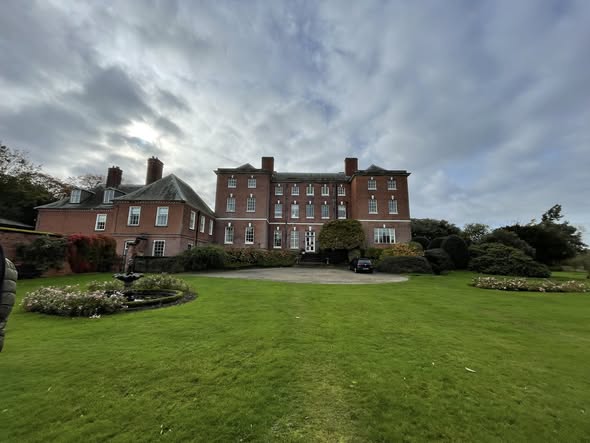
The original house was completed in 1745 at a cost of £7,000. It has undergone many changes and additions over the years.
Katie explained that Christopher Horton built the house and passed it to his son, also named Christopher, who married Anne Luttrell of Dunster Castle, who was described by Walpole as having “the most amorous eyes in the world”. Certainly from her portrait he was correct. Both Christopher and their infant son died without an heir, so Catton was inherited by Christopher’s niece Anne-Beatrix, married to Robert Wilmot of Derby. In 1823, following their inheritance, they became Wilmot-Hortons. Robert, a cousin of Lord Byron later served as Governor of Ceylon in the 1830s and was dedicated to abolishing slavery. He received a knighthood in 1831 and succeeded to the Wilmot baronetcy on his father’s death. Notable items at Catton include Byron’s manuscript (a poem for Anne), Anne’s portrait, and a chair used by Napoleon on St Helena.
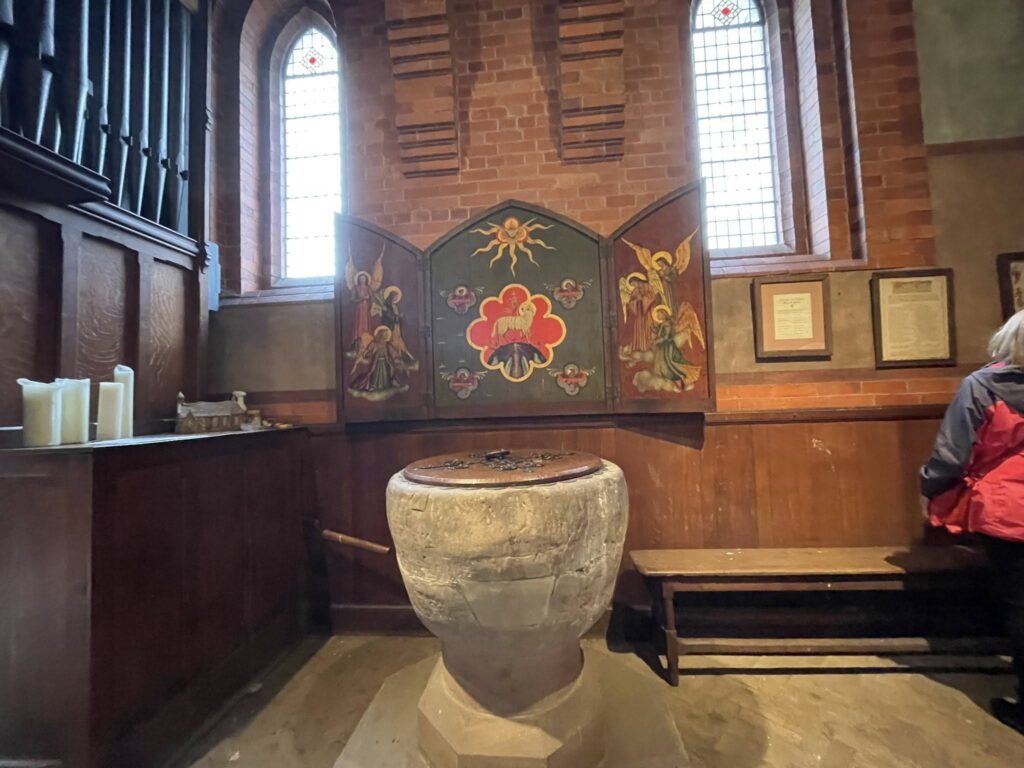
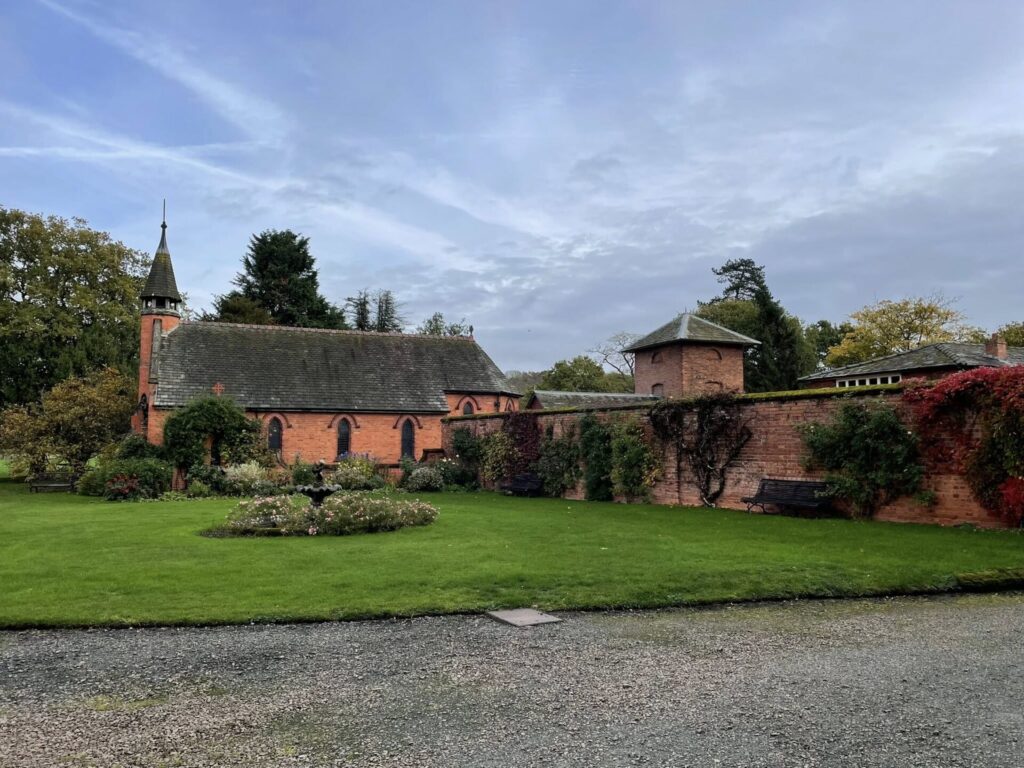
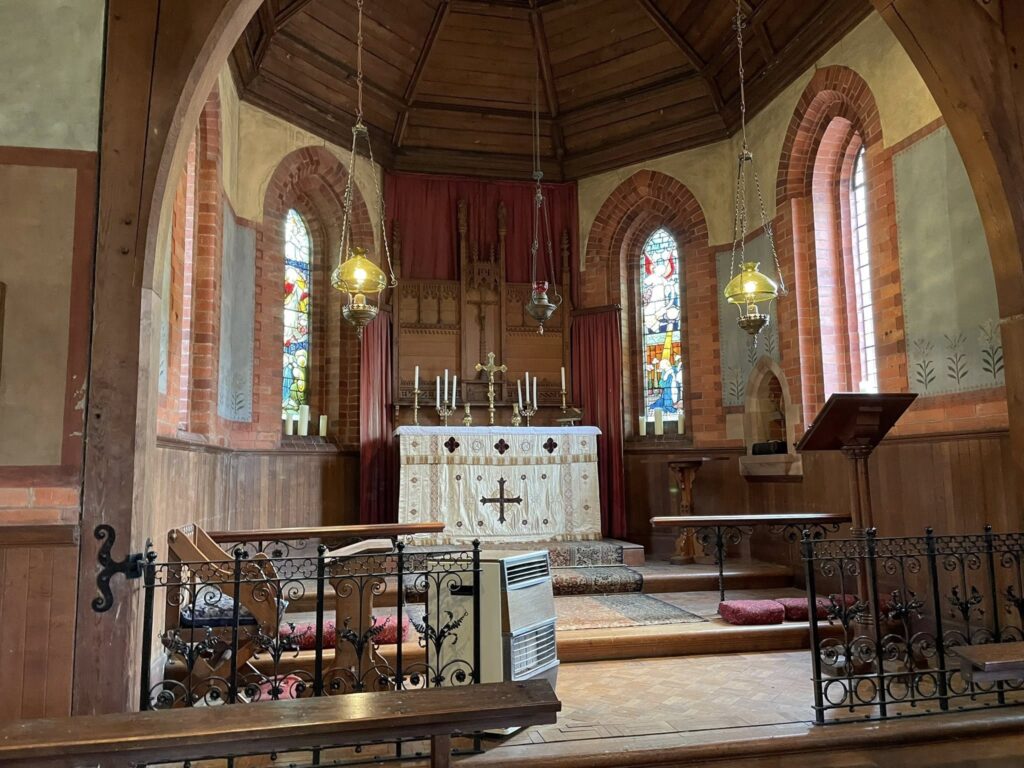
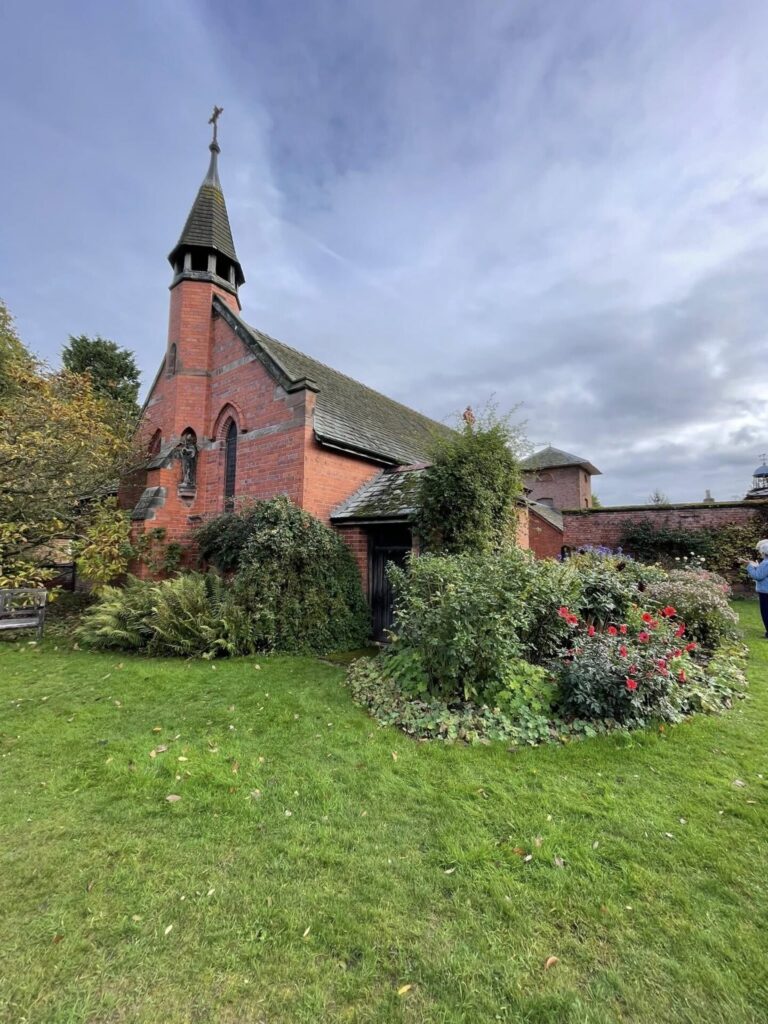
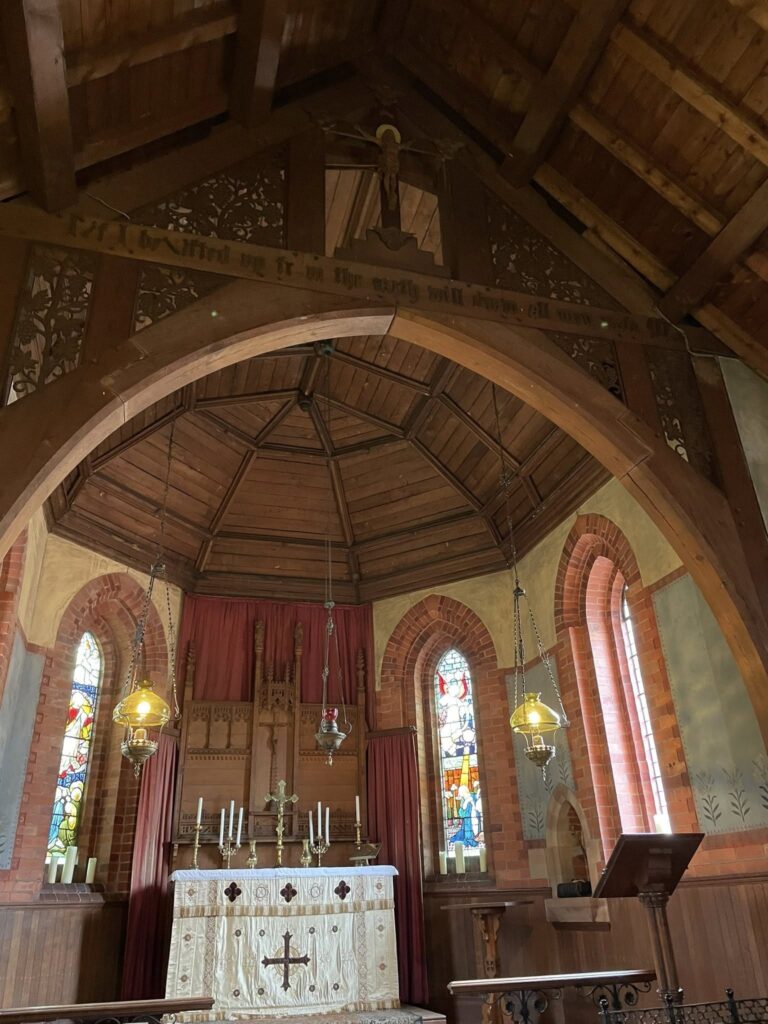
Following Robert's death, Anne resided at Catton for approximately 30 years, dedicating herself to numerous good works. After her death in 1871, Catton was inherited by her two surviving sons and subsequently by her granddaughter, Augusta Theresa, who married the Reverend Arthur Henry Anson. Reverend Anson was responsible for rebuilding the present Chapel. Their son, Henry Anson-Horton, became the owner of Catton at the end of the 19th century, residing there with his wife Katie and their family until 1925, when their eldest son, George, succeeded him. George was the first direct male heir in approximately 200 years, thereby ending the previous pattern of succession. Katie delighted us with the legend of an 18th Century curse whereby no son could inherit until the chapel was rebuilt. In 1956, as George's health declined and he had no son, he invited his nephew, David Neilson, to return from New Zealand with his family to assume stewardship of the estate. Katie and her husband are now the owners of Catton Hall and continue to live there. It was a fascinating place to visit and hear about the family’s ancestry.