


Retirement is often pictured as a well-earned reward—time to relax, pursue personal interests, and enjoy a slower pace of life. Yet for some people, once the initial excitement settles, the absence of routine and structure can lead to an unexpected sense of boredom.
If you’ve observed that your parents seem less engaged since leaving work, it’s a fairly common situation. Retirement brings significant lifestyle changes, and while many adjust well, others find the transition more challenging than anticipated.
During working life, daily routines provide more than just a schedule. They create a sense of purpose, regular social contact, and a clear role in the world. When that framework disappears, it can leave a gap that isn’t always easy to fill. Without planned activities or goals, days may start to feel repetitive, and motivation can gradually decline.
Some early signs of boredom can be subtle. Your parents might spend more time watching television, lose interest in activities they once enjoyed, or become less inclined to meet friends. You may notice a drop in energy or enthusiasm. These changes don’t necessarily indicate a serious problem, but they can suggest a need for greater stimulation or variety.
The positive side is that retirement also offers the freedom to explore new possibilities. It can be an ideal time to rediscover interests that were put aside during busy working years. Whether it’s creative hobbies, physical activity, travel, or learning something new, having meaningful ways to spend time can make a big difference to overall wellbeing.
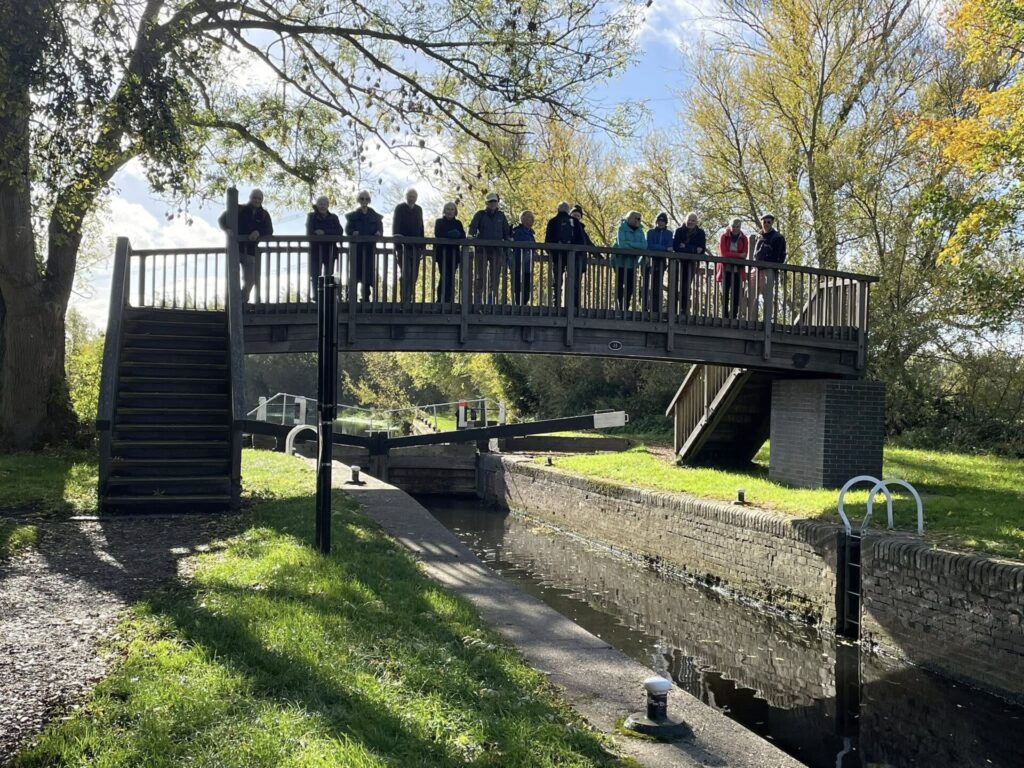
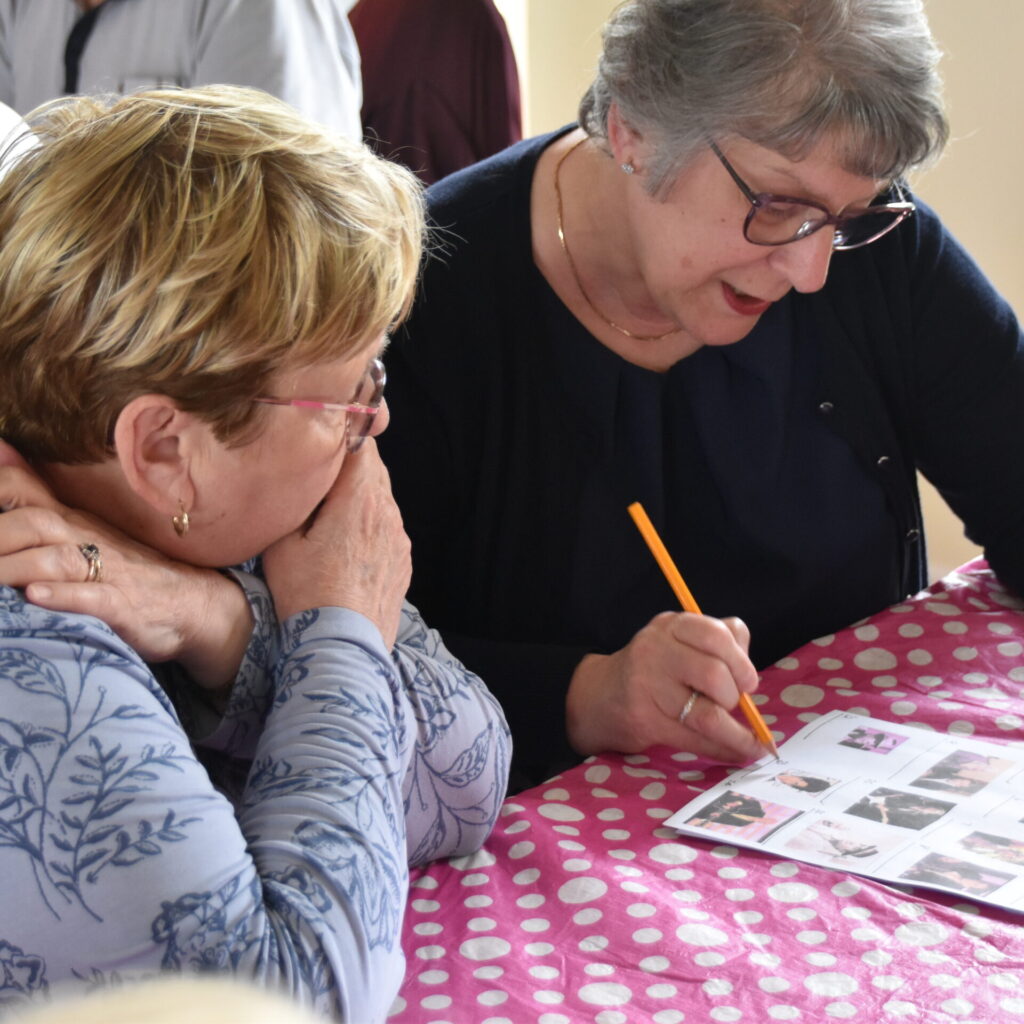
Staying socially connected is particularly important. Regular interaction with others helps combat both boredom and loneliness. Encouraging participation in local groups (such as Soar Valley u3a), clubs, or community activities can provide both structure and enjoyment. Even informal catch-ups with friends or family can have a strong positive impact.
A sense of purpose also plays a key role. Many retirees find fulfilment through volunteering, sharing their skills, or supporting local initiatives. Contributing to something beyond themselves can restore a feeling of usefulness and engagement.
When raising the subject, it’s best to be supportive rather than directive. Instead of assuming how they feel, try starting a conversation with open-ended questions such as, “Is there anything new you’d like to try?” or “What would you enjoy doing more often?” This approach encourages reflection without creating pressure.
It’s worth remembering that retirement looks different for everyone. Some people are perfectly content with a quieter lifestyle, while others thrive on activity and social involvement. There is no single “right” way to spend this stage of life. With a little awareness and gentle encouragement, retirement can become not just a period of rest, but a genuinely rewarding and engaging chapter.