On 7th May 2026, sixteen members of our Engineering & Innovation Group met in Shepshed for a visit to the Newhurst Energy Recovery Facility (ERF), located near Shepshed, a major waste-to-energy plant designed to process up to 455,000 tonnes of residual waste each year.
The facility was created to reduce the amount of non-recyclable waste sent to landfill while generating sustainable electricity for the National Grid. The plant operates continuously, 24 hours a day, and can produce around 40–42 megawatts of baseload electricity, enough to power approximately 80,000 homes.
Rather than simply burning waste, the ERF focuses on recovering valuable materials from the treatment process. Incinerator bottom ash (IBA) is removed and processed into construction aggregate, while metals are extracted and reused in manufacturing. The site is also exploring opportunities to support district heating systems by supplying heat to nearby communities.
Construction of the facility began in 2020 and full-scale operations started in 2023 following a three-year construction and commissioning programme. The site now supports around fifty permanent operational roles.
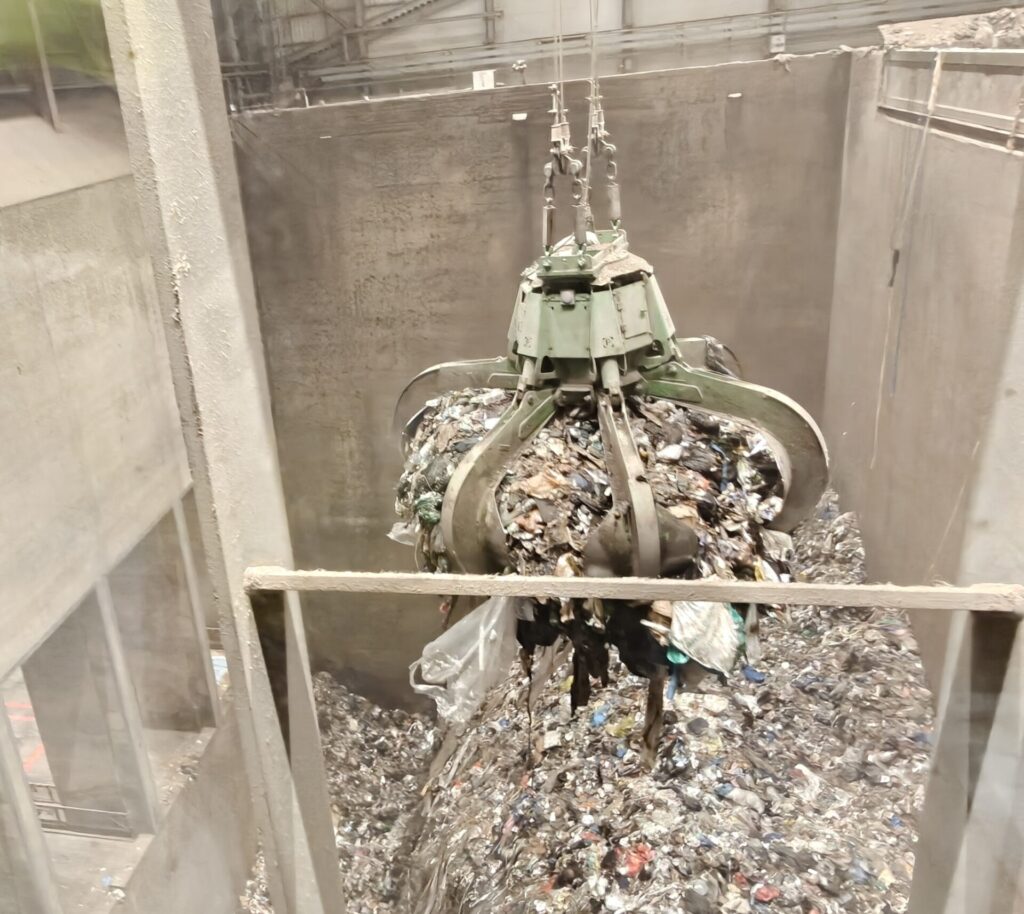
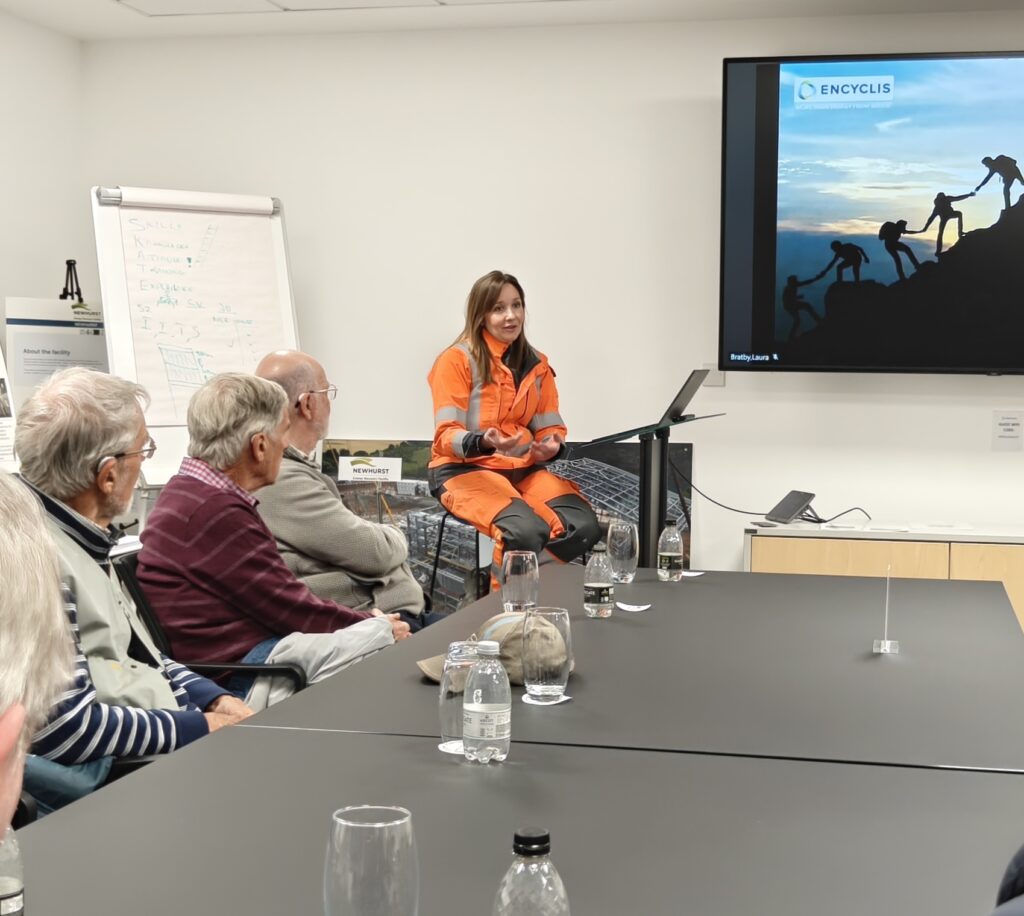
Our visit started with a short presentation describing how the plant operates. We were then taken on a tour of the plant, starting with the control room where a bank of screens displays every aspect of the system. On one side of the control room is a large window looking out at the bunker where waste is initially tipped. Two large cranes shuffle the waste (to ensure even combustion) and then transport it from the pile into the hoppers that feed the furnace.
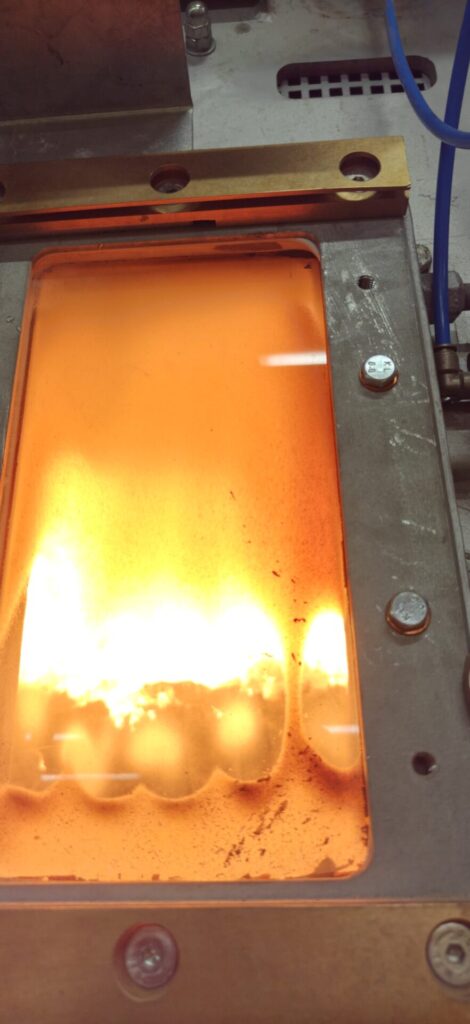
The waste is then delivered into combustion chambers heated to above 850°C. The combustion process reduces the waste to approximately 20% of its original volume, turning it into a non-hazardous form of ash. The process also heats up water in steel tubes within the boiler. The water is converted to superheated steam and delivered to a steam turbine that continuously generates electricity for onward transmission.
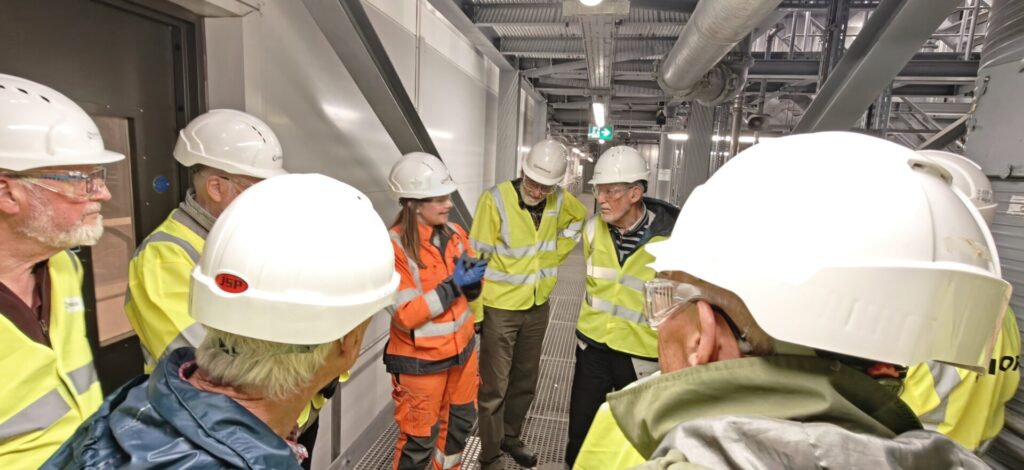
Our tour took us to the top of the plant so that we could see the boiler system and we worked our way down to the furnace itself and were able to look out over the machinery that sorts the residual ash from any remaining large metal items.
Flue gases are filtered and cleaned before being released via tall flue stacks. Emissions are stringently measured and controlled. On cooler days, the plume from the stacks may be visible as vapour.
Many thanks to Fred for organising the visit.