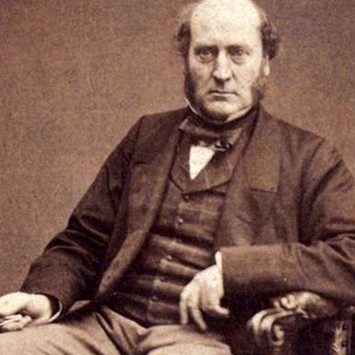
Sir George Gilbert Scott, the acclaimed Victorian architect, was the subject of January’s general meeting talk by our guest speaker, Nigel Lowey.
Nigel painted an interesting picture of the huge cultural shifts in the nineteenth century that helped propel Gilberts Scott’s career forward. The Industrial Revolution, the advent of the railways and social reforms presented new opportunities for major construction projects. In particular, following civil unrest due to poor harvests and the crippling rise in bread prices, the government released vast funds to build churches, seen as a means of quelling the rioting masses. Gilbert Scott had showed an early artistic talent sketching churches and his architectural career took off. He went on to design 427 of them and, together with workhouses and other buildings, many of them still beloved today, he left an incredible legacy to the nation of a whopping total of 880 buildings that he had designed or altered.
Yet, for all his success, Gilbert Scott suffered from an inferiority complex. Perhaps that was instrumental in his unwavering charitable support for the poor. On the very day he died he wrote out a generous cheque for a fellow architect who had fallen on hard times.